

Does Staging Your Home Actually Make a Difference? Here’s the Honest Answer.

Does staging really pay off? Here’s what sellers need to know before listing.

Sellers ask me this all the time. Usually it comes up right after I've suggested staging and they're looking at me like I just asked them to spend money they don't want to spend. 

"Does it really matter? Can't buyers just see past the furniture?" 

Short answer: no, they can't. And the data backs that up in a pretty convincing way. 

But let me give you the longer answer — because staging isn't one-size-fits-all, and I think it's worth understanding what it actually does, when it's worth every penny, and when you can dial it back. 

What Staging Actually Does

Here's the thing most people don't realize about how buyers make decisions. 

They don't buy houses logically. They buy emotionally first and justify it with logic second. A buyer walks into a home and within seconds — before they've looked at the kitchen counters or checked the closet space — they've already decided how they feel about it. 

Staging is about controlling that feeling. 

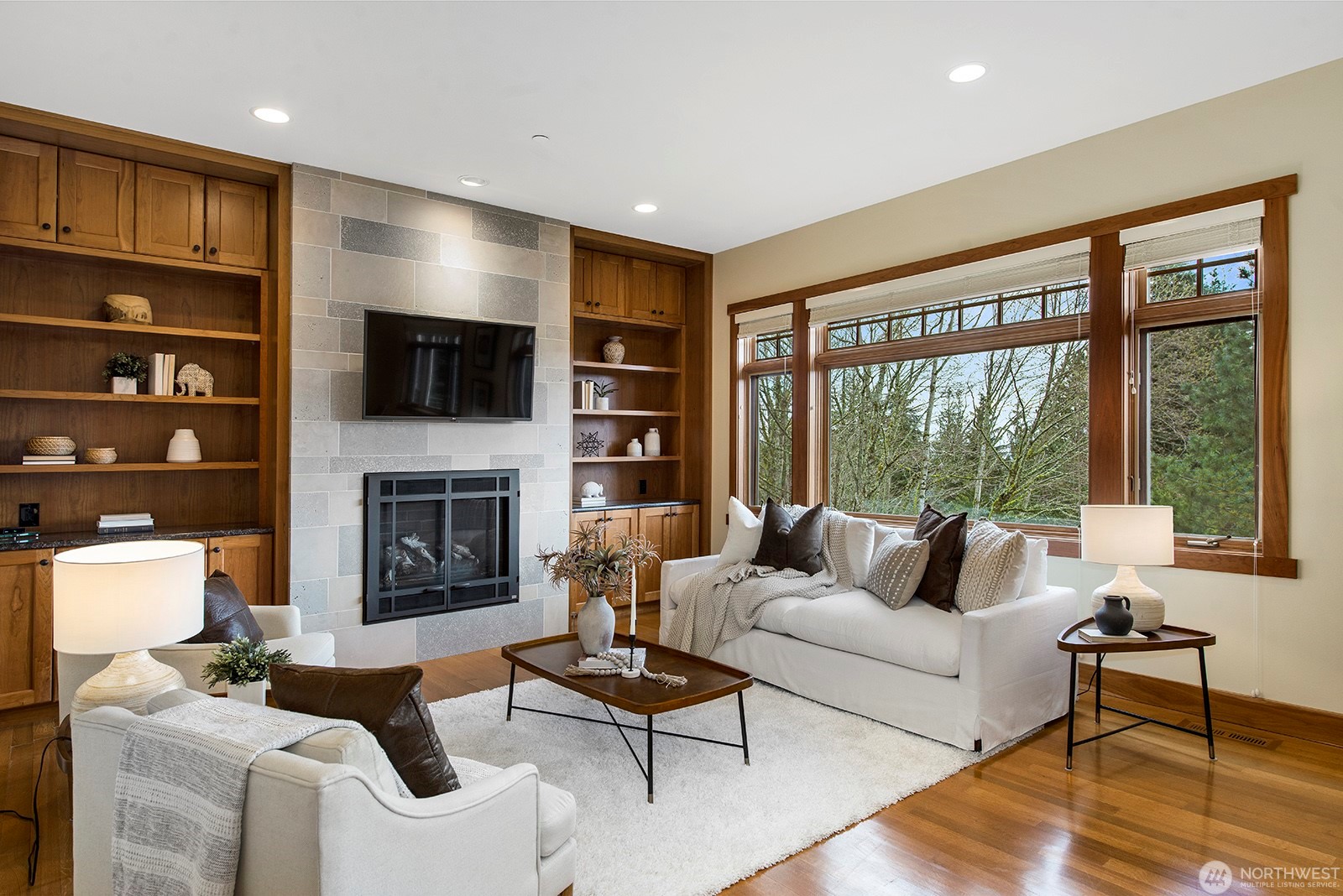
A professionally staged home tells a story. It shows buyers how to live in the space. It makes rooms feel larger, brighter, and more purposeful. It removes the distraction of personal clutter and replaces it with a version of the home that appeals to the broadest possible audience. 

An empty home, by contrast, feels cold and hard to connect with. A cluttered or heavily personalized home makes it nearly impossible for a buyer to picture themselves living there. Both kill the emotional response you need to generate strong offers. 
What the Numbers Say

The research on this is consistent and has been for years. 

The National Association of Realtors has found that staged homes sell faster and for more money than non-staged homes — consistently across market conditions. Depending on the study, staged homes spend anywhere from 30 to 50 percent less time on the market than their non-staged counterparts. 

On price, the numbers are equally compelling. Most studies put the return on staging investment at somewhere between 5 and 15 percent above asking price for staged homes versus vacant or unstaged ones. Professional stagers themselves report that for every dollar invested in staging, sellers typically see a return of anywhere from $2 to $5 at closing. 

In a market like the Seattle Eastside — where a 5% swing on a $1.2 million home is $60,000 — that's not a rounding error. That's a meaningful difference in your net proceeds. 
The Online Factor Has Raised the Stakes

Here’s something that has fundamentally changed the staging equation over the last decade and continues to matter more every year. 

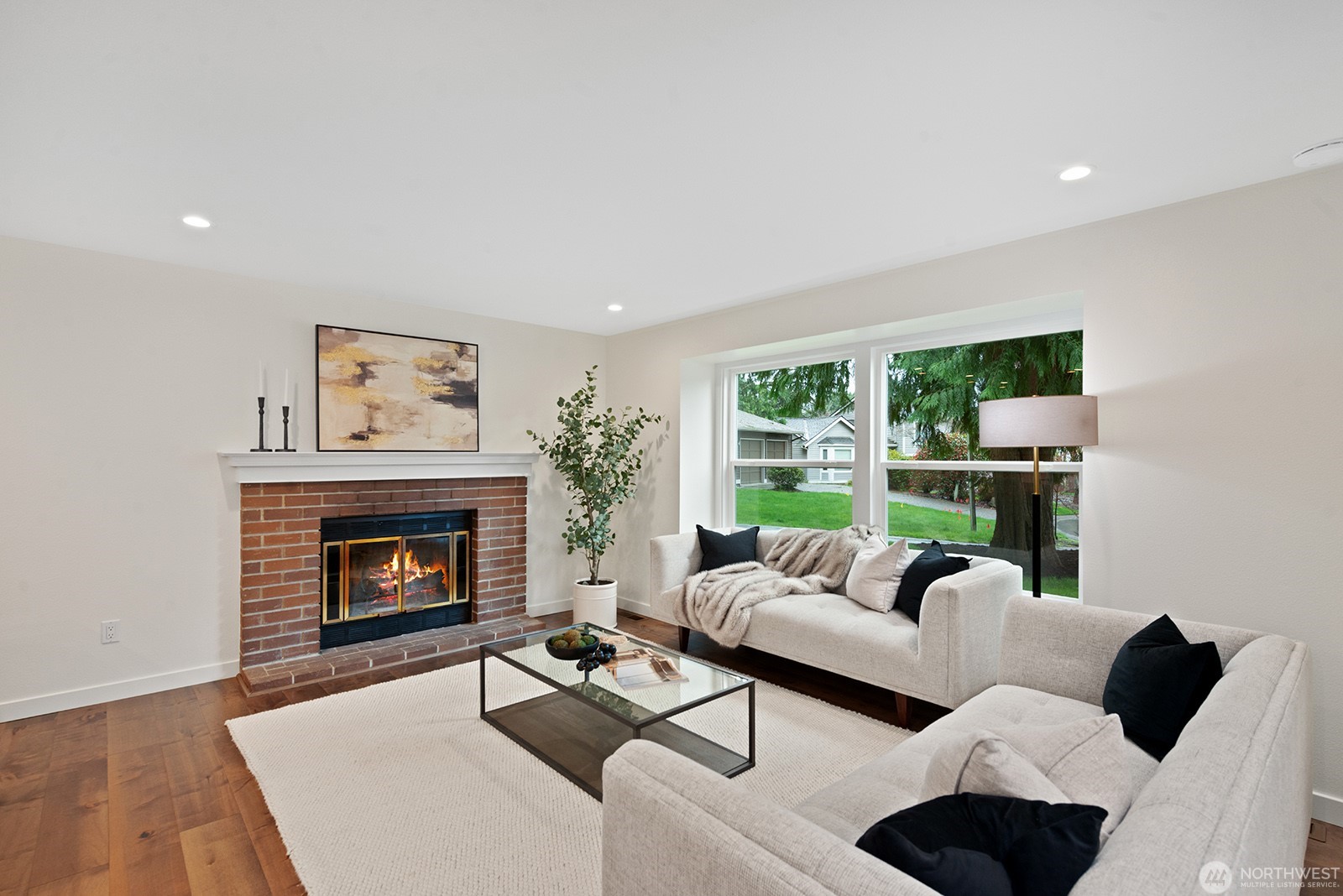
Buyers find their home online before they ever set foot in it. They are scrolling through photos on their phone, often in under 30 seconds, deciding whether a property is worth their time. Your listing photos are your first showing — and for a lot of buyers, they’re the only showing if the photos don’t capture them. 

A staged home photographs beautifully. Clean lines, intentional furniture placement, thoughtful accessories — these things translate powerfully in listing photos. An empty room looks smaller in photos than it does in person. A cluttered room looks worse. A well-staged room looks like the version of your home that makes buyers stop scrolling and start scheduling. 

On the Eastside, where buyers are sophisticated and inventory has been improving, you cannot afford to lose someone in the first five photos. 

When Staging Matters Most

Not every home needs the same level of staging investment. Here’s how I generally think about it with my sellers: 

Vacant homes — non-negotiable. If you’ve already moved out, staging is not optional in my opinion. Empty homes are harder to connect with, feel smaller than they are, and photograph poorly. The cost of staging a vacant home almost always comes back to you at closing. 

Occupied homes with dated or heavy furniture. If your taste runs traditional, dark, or heavily personal, professional staging or at minimum a furniture edit makes a significant difference. Buyers in the current Eastside market skew toward clean, light, and contemporary. If your home reads as the opposite, staging bridges that gap. 

Luxury price points. The higher the price, the higher the expectation. A $2 million home that isn’t staged signals to buyers — fairly or not — that something is off. At that price point, staging is simply part of the presentation. 

Challenging floor plans. If your home has an unusual layout, awkward room sizes, or spaces that are hard to define, staging does the work of showing buyers what those spaces are for and how livable they actually are. 

When You Can Pull Back

Well-maintained, move-in ready homes with current finishes. If your home already has clean, neutral, contemporary interiors and is well-maintained, you may not need full professional staging. Decluttering, depersonalizing, and a deep clean can do a lot of the work. 

Strong seller’s markets with very limited inventory. When buyers are competing aggressively for anything available, the staging calculus shifts slightly. Motivated buyers will look past more. That said — even in a hot market, staged homes still outperform. They generate more showings, more offers, and stronger prices. 

Tight budgets. If staging simply isn’t financially feasible, there are cost-effective alternatives — virtual staging for online photos, selective furniture rental for key rooms like the living room and primary bedroom, or working with what you have after a thorough edit and deep clean. Something is almost always better than nothing. 

The Rooms That Matter Most

If you’re working with a limited staging budget and need to prioritize, here’s where I put the money: 

Living room — it’s the emotional center of the home and where buyers spend the most mental energy picturing their life. 

Primary bedroom — buyers want to feel like the primary suite is a retreat. This room closes deals. 

Kitchen — even if you’re not staging it with furniture, this room needs to be immaculate. Clear the counters completely. Everything. 

Entry — first impressions begin the moment someone walks through the front door. The entry sets the tone for the entire showing. 

Everything else — secondary bedrooms, bathrooms, laundry rooms — is supporting cast. Get the lead characters right first. 

My Honest Take After Years in This Market

I’ve sold homes that were beautifully staged and homes that were not. The difference in buyer response is not subtle. It’s significant and it’s consistent. 

Staging isn’t about tricking buyers or hiding problems. It’s about presenting your home in its best possible light so that buyers can connect with it quickly and emotionally — which is what drives strong offers and fast sales. 

In the Seattle and Eastside market, where buyers are discerning and the online search experience shapes expectations before anyone walks through your door, presentation is everything. The homes that generate the most excitement and the strongest offers are almost always the ones that have been thoughtfully prepared. 

The cost of staging is almost always less than your first price reduction. 

Let that sink in. 

Thinking About Selling?

If you’re considering putting your home on the market and wondering what it would take to maximize your return, I’d love to walk through it with you. I have a trusted network of professional stagers, photographers, and tradespeople who help my sellers put their best foot forward — and I’m happy to share my honest assessment of what your specific home needs. 

Because at the end of the day, getting top dollar isn’t just about the market. It’s about the preparation. 

I’m Gina Weigum with Windermere Real Estate. Let’s talk about what your home could look like — and what it could sell for. 

Thinking about selling your Eastside home?
Reach out to Gina Weigum at Windermere Real Estate for a personalized consultation. 

#HomeStaging #SeattleRealEstate #EastsideRealEstate #SellYourHome #WindermereRealEstate #HomeSellingTips #BellevueRealEstate #KirklandRealEstate #RealEstateTips #StageToSell #HomeSelling #ListingAgent #PacificNorthwestRealEstate