

One of the most common conversations I have with sellers happens before a sign ever goes in the yard. They walk me through their home, and somewhere along the way they ask the question I love most:
“What should we do before we list?”
It sounds simple. But the answer matters more than most people realize — because not all improvements are created equal. Some updates will come back to you two and three times over at closing. Others will cost you real money and move the needle almost not at all.
After years of preparing homes for sale on the Seattle Eastside, I’ve developed a pretty clear picture of where your pre-listing dollars work hardest. Here’s my honest breakdown.
Before I get into specifics, here’s the principle that guides everything: you are not remodeling for yourself. You are preparing a product for the broadest possible market of buyers.
That distinction matters because the choices you’d make for yourself — the bold accent wall you love, the ultra-specific tile you’ve been eyeing, the high-end appliance upgrade that makes you happy — may not move the needle with buyers the way you think they will. Sometimes they actually work against you.
The goal is always to maximize appeal, minimize objections, and create a home that photographs beautifully, shows cleanly, and generates emotional connection quickly.
With that in mind, let’s talk about where to put your money.
Fresh Interior Paint
I will put this at the top of the list every single time. Fresh paint is the single highest-return investment you can make before listing. Period.
It makes a home feel clean, well-maintained, and move-in ready. It photographs beautifully. And it costs a fraction of almost any other improvement.
The key is color selection. Warm, light neutrals — think soft whites, greiges, and warm grays — appeal to the widest range of buyers and make spaces feel larger and brighter. This is not the time for bold or trendy choices. You want buyers walking in and seeing a blank canvas for their own life.
On the Eastside, where buyers are often coming from multiple showings in a single day, a freshly painted home stands out immediately against one that looks tired and worn. The return is consistently strong.
Estimated return: $2–$3 for every $1 spent
This one costs very little and signals everything to buyers. A home that is immaculately clean tells buyers the home has been well cared for. A home that isn’t raises immediate questions about what else has been neglected.
I’m not talking about a standard clean. I’m talking about baseboards, window tracks, grout lines, inside cabinets, behind appliances, light fixtures, and every surface a buyer’s eye might land on during a showing.
Professional cleaning services that specialize in pre-listing preparation are worth every dollar. Some of the most expensive homes I’ve sold benefited enormously from nothing more than a thorough professional clean before photos were taken.
Estimated return: among the highest of any pre-listing investment

Buyers form their first impression before they walk through the door — sometimes before they even get out of the car. Curb appeal either creates excitement or doubt, and doubt is very hard to reverse once a buyer has it.
The good news is that meaningful curb appeal improvements don’t have to be expensive. The highest return items include:
These are not glamorous improvements. But they consistently deliver outsized returns because they set the emotional tone for everything that follows.
Estimated return: up to $2–$4 for every $1 spent on targeted improvements
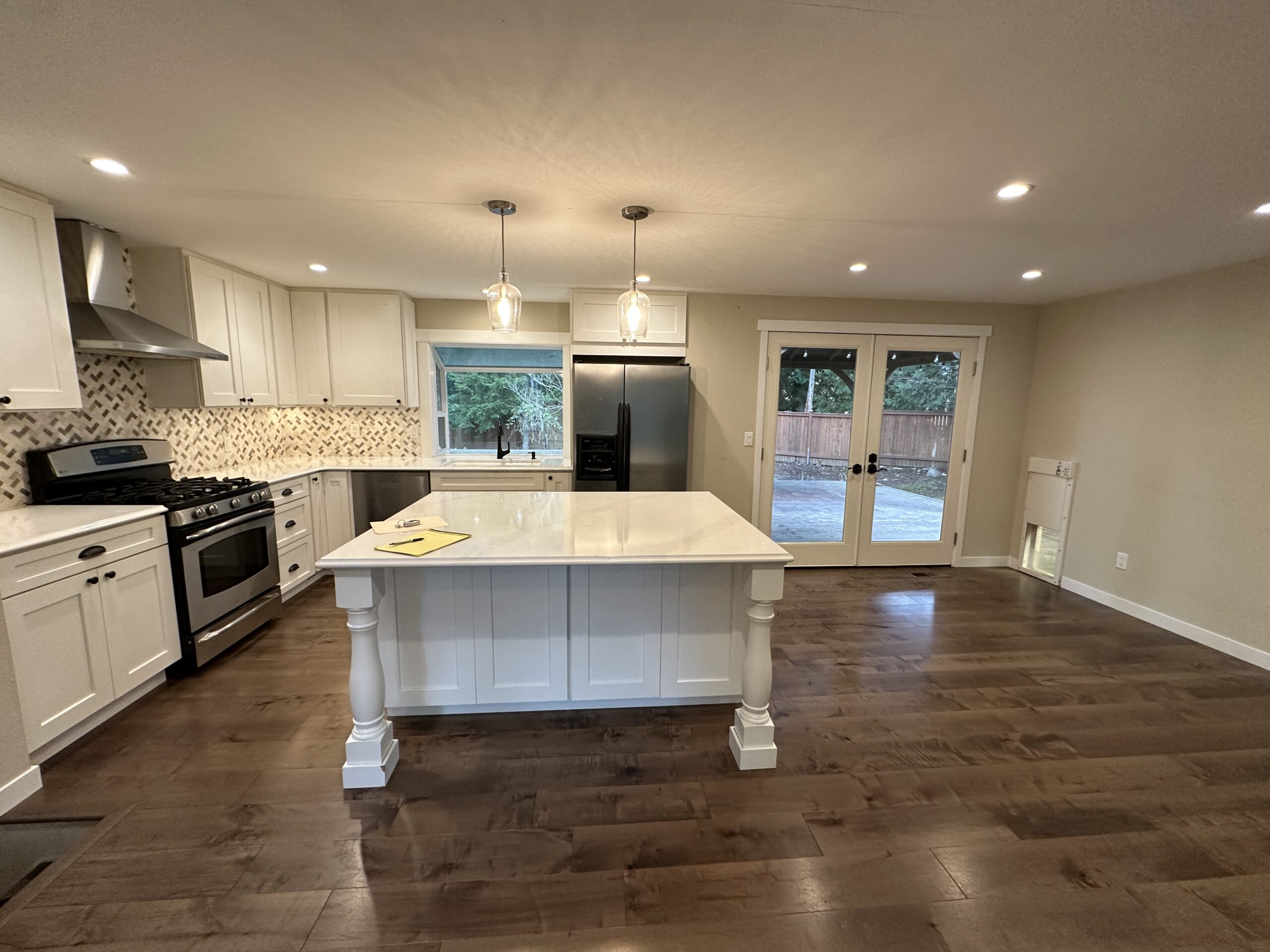
The kitchen sells the house. Buyers know it, and sellers know it. But here’s the mistake I see sellers make regularly: they decide to do a full kitchen remodel before listing and spend $60,000 to $80,000 hoping to recoup it in the sale price.
The data does not support that approach. Full kitchen remodels have some of the lowest return on investment of any major home improvement — often recouping only 50 to 60 cents on the dollar at resale. You spent $70,000 and added $40,000 in value. That’s a loss.
What does work — and works extremely well — are targeted, cost-effective kitchen updates:
Cabinet refresh. If your cabinets are solid but dated, painting them is one of the best investments you can make. White or soft gray painted cabinets with updated hardware can transform a kitchen for a fraction of the cost of replacement.
Hardware replacement. New cabinet pulls and knobs are inexpensive and make an immediate visual impact. Brushed nickel, matte black, and warm brass are all performing well with Eastside buyers right now.
Countertops. If your countertops are laminate or heavily worn, replacing them with quartz is worth considering at most price points. Quartz is durable, photographs beautifully, and reads as move-in ready to buyers. At higher price points it’s essentially expected.
Faucet and sink. An updated faucet is a relatively small investment that modernizes the look of the entire kitchen. Buyers notice these details.
Appliances. If your appliances are mismatched, very dated, or visibly worn, a stainless steel package can help. But don’t over-invest here — mid-range appliances in good condition are fine for most price points.
Estimated return on targeted kitchen updates: $1.50–$2.50 for every $1 spent
Full bathroom remodels carry the same caution as full kitchen remodels — the return rarely justifies the expense when done specifically for resale. But targeted updates in bathrooms deliver strong returns for relatively modest investment.
Focus on:
If your vanity is truly dated and the budget allows, replacing it can be worthwhile — particularly in the primary bath. But in most cases, refresh beats replace when it comes to bathrooms and your pre-listing budget.
Estimated return on bathroom refresh: $1.50–$3 for every $1 spent
Nothing dates a home faster than worn carpet or heavily scratched hardwood. And nothing kills a showing faster than a buyer walking in and immediately calculating the cost of replacing the floors.
Hardwood refinishing is one of the best investments you can make if you have hardwood floors underneath carpet or if your existing hardwood is dull and scratched. The transformation is dramatic and the cost is relatively modest.
Carpet replacement in main living areas is worth doing if the existing carpet is stained, worn, or odor-affected. Choose a neutral, mid-grade carpet — not the cheapest option, which reads as cheap to buyers, and not a premium option that doesn’t justify the spend.
LVP (luxury vinyl plank) has become a strong option for sellers looking to update flooring cost-effectively. It’s durable, attractive, waterproof, and photographs well. Buyers in the current market accept it readily, particularly in starter and mid-range price points.
Estimated return: up to $2–$3 for every $1 spent on strategic flooring updates
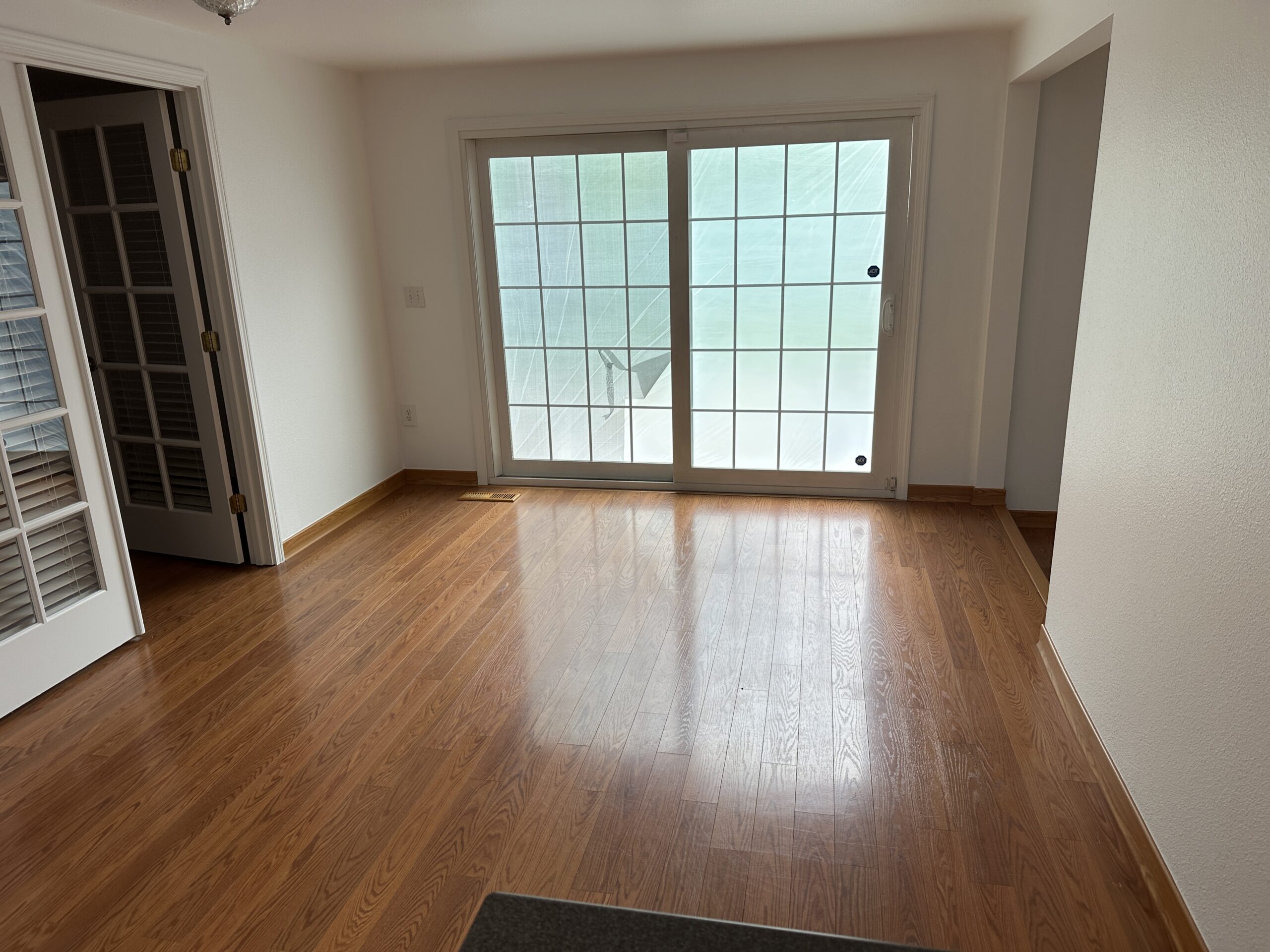
Lighting is one of the most underrated updates a seller can make — and one of the most cost-effective. Dated light fixtures read as dated immediately, even to buyers who can’t articulate why the home feels old.
Replacing builder-grade or brass fixtures with something clean and current — brushed nickel, matte black, or aged bronze depending on the home’s style — is a relatively inexpensive update that modernizes a home quickly.
Don’t overlook bulb temperature either. Warm white bulbs (2700–3000K) make a home feel inviting and photograph significantly better than cool or daylight bulbs. Walk through your home before listing and replace every burned-out bulb and every cool-toned bulb with warm white.
Estimated return: strong, particularly relative to the low cost of the update
These updates can pay off, but depend heavily on your specific home, price point, and market conditions. Talk through these with your agent before committing.
Deck repair or replacement. In the Pacific Northwest, outdoor living space matters. A deck that is structurally sound but cosmetically worn can benefit from a thorough clean and fresh stain. A deck that is rotting or structurally compromised needs to be addressed — buyers and inspectors will flag it.
Landscaping beyond basic curb appeal. Basic tidying always pays. Major landscaping installations — new irrigation systems, significant hardscaping, extensive planting — rarely come back dollar for dollar at resale.
Garage updates. A clean, organized garage reads well to buyers. A fresh coat of paint on the garage floor and walls and good organization can help. A full garage conversion or remodel is harder to recoup.
Smart home features. A smart thermostat, video doorbell, and smart locks are relatively inexpensive and appeal to Eastside buyers who skew tech-forward. Full smart home systems are harder to quantify in terms of return.
These are the updates sellers frequently want to make that I consistently talk them out of:
Full kitchen or bathroom remodels. As covered above — the return simply doesn’t justify the expense in most pre-listing situations.
Adding a bedroom or bathroom. Major structural changes made specifically for resale almost never fully recoup their cost.
Swimming pools. In the Pacific Northwest climate, pools are not the value-add they might be in warmer markets. They can actually limit your buyer pool rather than expand it.
High-end or highly personalized finishes. Buyers at most price points won’t pay a premium for imported tile, custom millwork, or specialty finishes they didn’t choose themselves.
Roof replacement without cause. If your roof has meaningful life left, a buyer’s inspector will confirm that. Unless you’re facing a legitimately failed roof, don’t rush to replace it pre-listing.
Here’s my honest advice: before you spend a single dollar on pre-listing improvements, sit down with your agent and walk through the home together.
A good agent — one who knows your specific market, your price point, and your buyer demographic — can tell you exactly where your money will work and where it won’t. Every home is different. Every neighborhood is different. What buyers in Kirkland expect is not identical to what buyers in Bothell or Sammamish are looking for.
I do this with every seller I work with. We walk the home together, I give you my honest assessment, and we build a preparation plan that makes sense for your specific situation — not a generic checklist pulled off the internet.
Because the goal isn’t just to get your home sold. It’s to get you the best possible return on what is likely your most valuable asset.
That’s a conversation worth having before you pick up a paintbrush or call a contractor.
I'm Gina Weigum with Windermere Real Estate. If you're thinking about selling and want an honest, room-by-room assessment of what your home needs — and what it doesn't — reach out anytime. I'd love to help you prepare strategically and sell confidently.
Ready to talk about preparing your home for the Eastside market? Contact Gina Weigum at Windermere Real Estate.
#HomeStaging #SeattleRealEstate #EastsideRealEstate #SellYourHome #WindermereRealEstate #HomeSellingTips #BellevueRealEstate #KirklandRealEstate #RealEstateTips #StageToSell #HomeSelling #ListingAgent #PacificNorthwestRealEstate